
Starting Your Homeschool Adventure with Confidence
- Daniel Tudor
- Jul 27, 2025
- 4 min read

Welcome to the exciting world of Homeschooling! As the new school year approaches, you might be feeling a mix of excitement and a little bit of anxiety about starting this incredible new journey, especially if you have elementary-aged students. Taking the leap into homeschooling, is a big step, and it's perfectly normal to feel a bit overwhelmed. But rest assured, you're not alone! Every homeschooling family started somewhere with their own unique path, and this is a new adventure for everyone involved.
This post is designed to help you navigate those first few months, offering practical tips and a friendly nudge of encouragement. Remember, this is about creating a learning environment that works best for your family.
Get Organized From Day One
One of the best things you can do to ease into homeschooling is to establish some organizational habits. Think of it like setting the stage for a great performance.
Embrace the Planner: A good planner will be your best friend. Whether it's a digital calendar, a physical planner, or even a simple notebook, having a dedicated space to jot down lessons, appointments, and activities will help keep you on track.
Calendar Your Days: Start building a weekly or monthly calendar. This doesn't have to be rigid, but having a visual overview of your days can help you allocate time for different subjects, extracurriculars, and family time.
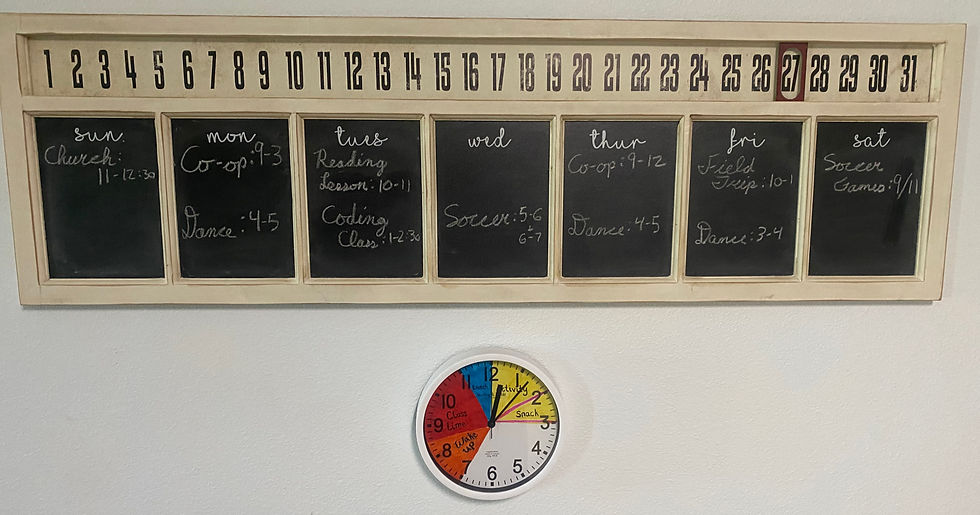
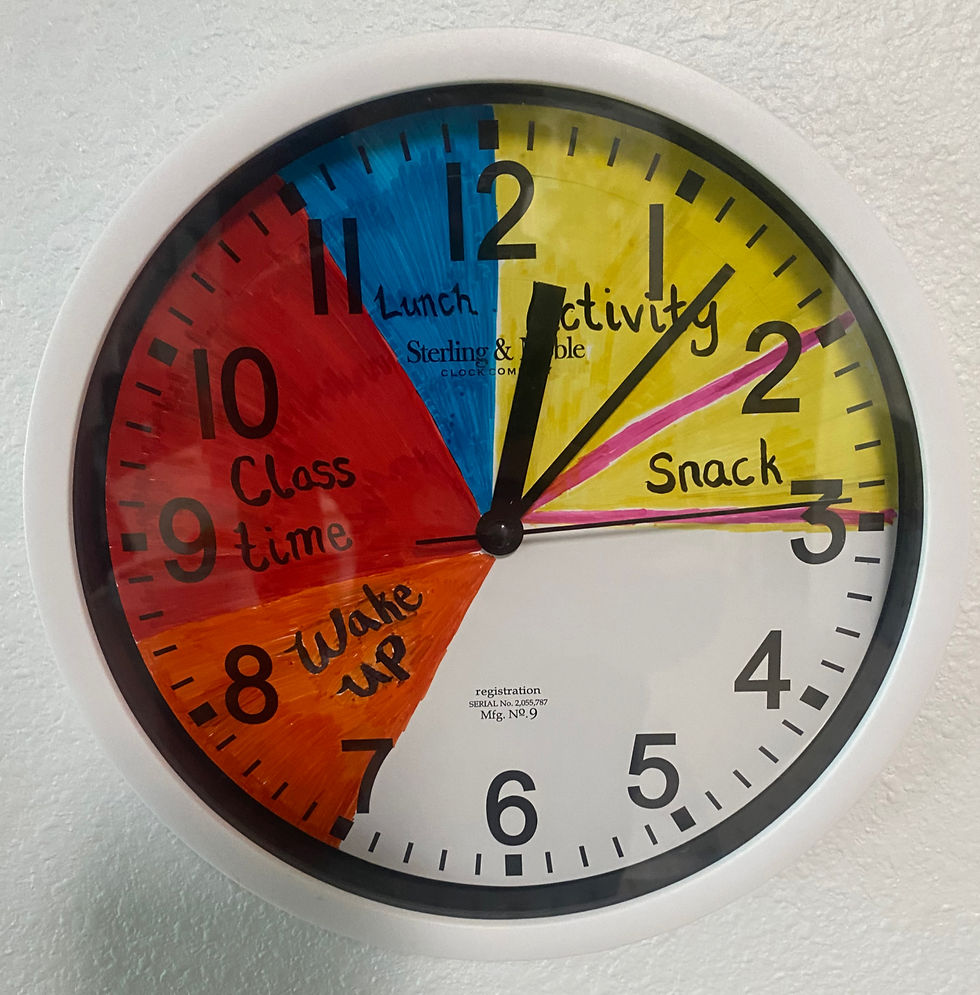
Our weekly schedule gets updated every Sunday so that everyone in the family knows the big events of the week! This helps us visualize our week and also helps to plan our homeschool lessons appropriately. Craft a Daily Schedule: While flexibility is a huge benefit of homeschooling, a general daily schedule can provide much-needed structure, especially for younger learners. It could be as simple as "Math from 9-10 AM, then Language Arts." Don't be afraid to adjust it as you discover what works best for your children and your family's rhythm.
Prepare Your Learning Space
You don't need a dedicated classroom with fancy equipment to homeschool effectively. Many families, including ours when we started, begin with what they already have!
Designate a Spot: Decide where the bulk of your homeschooling will take place. This could be the dining room table, a corner of the living room, a guest bedroom, or even a home office. Having a consistent "school zone" can help children transition into, and out of, learning mode.
Basic Furniture is Key: You'll need a surface for writing and some comfortable chairs. We started with a simple folding 4-foot camp table we already owned, paired with our dining room chairs, set up in the guest bedroom. It was basic, but it worked perfectly for our initial needs. As you get settled, you can always invest in more specialized furniture if you find it beneficial. The key is to create a functional and relatively distraction-free area. Don't be in a hurry to buy fancy desks, bookshelves, and other furniture - remember, there is a once-per-two-year rule on reimbursements for furniture in the SUFS PEP scholarship.
Dive into Curriculum – Keep it Simple!
The world of homeschooling curriculum can feel vast and intimidating. Our advice? Start with the basics and don't get overwhelmed.
Focus on the Core: For elementary-aged students, concentrating on Math, Language Arts, and Science can easily fill your days while everyone is adjusting to this new routine. These subjects provide a solid foundation and allow you to build confidence before branching out. Once you get settled, you can explore branching out to more exciting topics and "Elective" classes.
Ask for Recommendations: If you know other homeschooling families, reach out to them! Ask what curriculum they use, what they like, and what challenges they've faced. Personal recommendations can be incredibly valuable.
Explore Learning Stores: Local learning supply stores are a treasure trove of resources. You can find workbooks, manipulatives, and educational games that can supplement your core curriculum and make learning fun. Don't feel pressured to buy an entire "boxed" curriculum right away if it feels too daunting.
Give Yourself Grace – It's a Journey!
This is perhaps the most important piece of advice: give yourself grace. Starting homeschooling is a period of significant change for every member of the family.
Expect Adjustments: Your initial schedule will likely change. You might try a curriculum that doesn't quite click with your child's learning style, and you'll switch. What you think is going to work perfectly might completely fall flat. This is normal!
Embrace Flexibility: Homeschooling offers incredible flexibility. Use that to your advantage. Start with the basics, establish a comfortable routine, and then, once things feel more stable, you can adjust, grow, and explore other subjects or approaches. It's an ongoing process of learning and adapting.
We are so excited to share this homeschooling journey with you! This community is here to support you every step of the way. For more tips, insights into the homeschooling journey, product reviews, and connections to local service providers, be sure to subscribe to our newsletter! Let's make this a fantastic and fulfilling educational adventure together.
Comments